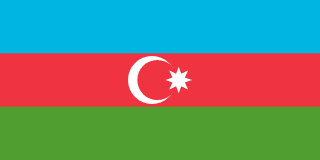
Azerbaijan
Azerbaijan's average Intelligence Quotient (IQ) of 98.71 places it just below the global average of 100, indicating a solid intellectual foundation within the country. This average reflects a nation that has made substantial progress in education and intellectual development, yet there is still room for growth to match global leaders in cognitive performance. Azerbaijan’s intellectual standing is shaped by its education system, which strives to equip students with the necessary academic and technical skills to succeed in an increasingly interconnected world.
However, Azerbaijan still faces challenges, especially when considering its rural vs. urban educational divide. While major cities such as Baku have access to high-quality educational resources, rural areas often face difficulties such as limited access to trained teachers, outdated materials, and lower investment in schools. These regional discrepancies contribute to variations in academic achievement and intellectual development across the population. Therefore, for Azerbaijan to raise its average IQ, continued efforts to address these educational inequalities, particularly in underprivileged areas, will be crucial.
Country Statistics 6 keys IQ-related statistics
Free IQ Test
Start your IQ test now
Factors Influencing IQ Levels in Azerbaijan
Several key factors shape the average IQ in Azerbaijan, including the education system, cultural attitudes toward learning, and economic conditions.
- Education System: Azerbaijan’s education system has made significant progress in recent years. The government has heavily invested in infrastructure, school modernization, and teacher training, all of which contribute to improving the quality of education.
- Cultural Values: In Azerbaijan, education is highly valued. Families invest significant time and resources to ensure their children succeed academically, often viewing education as a means of personal advancement. There is a cultural emphasis on academic excellence, especially in fields such as medicine, engineering, and technology, where intellectual prowess is seen as an important marker of success.
- Economic Conditions: Azerbaijan’s economic growth in recent years has been driven by its oil and gas sectors, providing the country with the financial resources necessary to invest in infrastructure and education. However, like many developing countries, there are significant economic disparities between urban and rural areas.
How Azerbaijan’s IQ Compares to Other Countries
With an average IQ of 98.71, Azerbaijan ranks slightly below the global average of 100, but it still compares favorably to many countries globally. When comparing Azerbaijan to its regional neighbors, the country performs quite well. For instance, countries such as Iraq have lower average IQs, placing Azerbaijan ahead in terms of intellectual development. In comparison to developed nations, Azerbaijan’s IQ remains modest, but this is reflective of its current stage of development and the ongoing efforts to improve its education system and public services.
Countries like Iran consistently report IQ scores above 106, reflecting their rigorous education systems and cultural emphasis on academic achievement. These countries’ focus on academic rigor, early childhood education, and technology-driven learning is a significant factor contributing to their higher IQs. Azerbaijan, on the other hand, is still in the process of transitioning toward a more competitive educational and intellectual environment. However, with continued investments in research, technology, and teacher training, Azerbaijan is on a promising path toward improving its average IQ and cognitive outcomes.