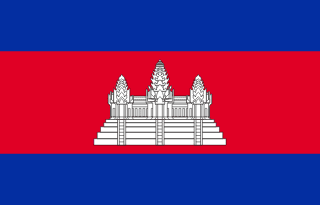
Cambodia
Cambodia is a country in Southeast Asia on the Indochina Peninsula, and has an intelligence quotient of about 93.97 on average, which is a result of the interaction between education, healthcare, and social development.
Cambodia’s IQ, while still below the world average of 100, is greater than that of some other large and more developed countries, which reflects the impact of continued educational and health care working together.
The government has been actively involved in the process of rebuilding schools, upgrading teachers’ skills, and providing more access to educational technology, all which are factors in the development of children’s cognitive skills.
Better nutrition as well as social initiatives are also leading to gradual increases in national IQ levels, and this is an indication of a positive trend in Cambodia’s human capital development in the long term.
Country Statistics 6 keys IQ-related statistics
Free IQ Test
Start your IQ test now
Factors Influencing IQ Levels in Cambodia
A few things have helped raise Cambodia's IQ:
Education Reforms
Following the devastation of the Khmer Rouge era, Cambodia has prioritized getting children back into school, particularly at the primary and secondary levels. Emphasis on science, mathematics, and critical thinking in the curriculum has strengthened overall cognitive development.
Improved Healthcare and Nutrition
Malnutrition previously hindered children’s brain development, but targeted nutrition and health programs now support better mental and physical growth, positively impacting learning outcomes.
Technology Access
Increasing access to the Internet and digital educational resources, especially in rural areas, has opened new opportunities for learning and cognitive stimulation that were previously unavailable.
Economic Development
Rising living standards and poverty reduction initiatives have allowed more children to attend school and benefit from enriched learning environments, fostering improved intellectual potential across the population.
How Cambodia’s IQ Compares to Other Countries
The IQ of Cambodia, which is 93.97, is acceptable when compared to the average world IQ. For instance, the US (99.74) and UK (99.68) have IQs near the global average, so Cambodians are doing quite well, especially as the country is underdeveloped.
Cambodia is doing better than several other countries in the region and beyond; Indonesia, for example, averages around (93.18), and Pakistan is reported to be even lower (93.25).
All the hard work done in upgrading education, healthcare, and tech access is finally reaping rewards. Cambodia is still a great distance from the educational leaders of the world, but it certainly is on the right track.
Public health improvements, including nutrition and access to healthcare, also play a critical role in supporting sustainable gains in learning outcomes and intellectual growth.
How Cambodia’s IQ Compares to Its Neighboring Countries
Cambodia’s average IQ of 93.97 places it slightly above some of its regional neighbors, reflecting ongoing improvements in education, healthcare, and social development.
Indonesia, for example, has an average IQ of 93.18, while Vietnam is reported at 100.12, benefiting from stronger investment in education and technology.
Laos, meanwhile, records a lower average IQ, similar to Cambodia, highlighting the influence of limited schooling resources and public health challenges.
These comparisons demonstrate that Cambodia, despite historical setbacks and underdevelopment, is gradually closing the cognitive gap with neighboring countries.
Continued reforms in early childhood education, nutrition programs, and technology access are likely to push the national IQ upward in the coming years, strengthening Cambodia’s human capital and regional competitiveness.