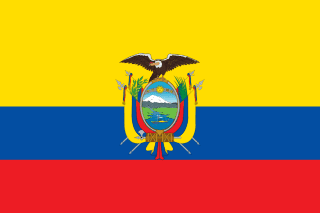
Ecuador
Ecuador is popular for its natural diversity, including the Amazon rainforest and the Pacific coastline. It’s also known for being on the equator (“Mitad del Mundo”).
The average IQ of Ecuador is 95; considering the fact that Ecuador is a middle-income country in northwestern South America, this score is acceptable.
This is just a notch below the global average of 100, therefore, placing the cognitive performance of Ecuador at mid-range compared with other countries.
The average level of IQ is retrieved from various studies and databases. Thus, IQ scores can vary depending on the methodology adopted in the studies and the population sample used therein.
Country Statistics 6 keys IQ-related statistics
Free IQ Test
Start your IQ test now
Factors Influencing IQ Levels in Ecuador
Several social, economic, and public health factors play a major role in shaping the average IQ in Ecuador, influencing how different regions of the country develop cognitively over time.
Infectious Disease
Countries with a high burden of infectious diseases often show lower national IQ averages. In Ecuador, ongoing exposure to certain infections can influence overall public health and, in turn, affect cognitive performance at a population level.
Nutrition and Health
Access to proper nutrition and healthcare remains one of the strongest predictors of cognitive development. In regions of Ecuador where medical services are limited, children may experience slower brain development, reduced concentration, and lower performance on standardized IQ tests.
Iodine Deficiency
Iodine deficiency, especially during pregnancy and early childhood, remains a significant public health concern in some communities. Insufficient iodine intake can lead to developmental delays and measurable reductions in IQ scores. It’s one of the most underestimated factors influencing national cognitive performance.
Economic Determinants
Poverty and financial hardship may limit exposure to mental stimulation and education, thus affecting IQ test scores. Exploration and stemming disparity in income and for disadvantaged groups can reverse such exposures.
How Ecuador’s IQ Compares to Other Countries
Ecuador's aggregate IQ is about 95, which places it in the middle segment of American nations.
With this, it ranked higher than Brazil (92.92), Venezuela (91.02), Argentina (94.39), and Trinidad and Tobago (94.79).
The middle-range position signifies the growth of Ecuador and continued battling with educational quality, access to medical services, and economic inequalities.
During the last few years, Ecuador has remained competitive in the Latin American environment, whereas in a broader continental context, it falls below the United States at (99.74) and Canada at (101.65).
This positioning provides information on how Ecuador's education system, public health programs, and socioeconomic reforms continue to shape its long-term cognitive development indicators.
While Ecuador has remained competitive in the Latin American region despite persistent economic inequalities and unequal access to healthcare, it demonstrates generally stable trends in cognitive performance. Thus, its ranking underscores gradual gains in education and public health, but also ongoing needs to reduce disparities that continue to influence long-term cognitive development in urban and rural areas.
How Ecuador’s IQ Compares to Its Neighboring Countries
Regionally, Ecuador’s average IQ of 95 positions it above some South American neighbors but below others with stronger economic development or educational systems.
Neighboring countries such as Colombia (93.17) and Bolivia (92.76) report IQ levels within a comparable range, influenced by regional disparities in nutrition, early childhood education, and healthcare access. These comparisons highlight the role of socioeconomic and environmental factors in shaping national cognitive outcomes rather than inherent intelligence.
Ecuador’s position in the region reflects gradual improvements in education, healthcare programs, and nutritional initiatives.