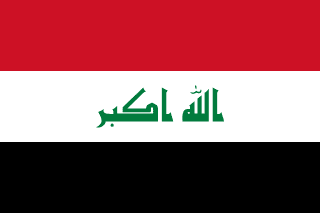
Iraq
Iraq has an average IQ of 93.99, and this number is similar to other Middle Eastern countries facing similar development challenges.
Iraq has faced several wars, conflicts, and political instability. Due to these factors, Iraq has a lack of education, healthcare, and living environments. All of which impact one's cognitive development and ability to learn.
In this context, the IQ score of Iraq is more than just a number; it represents a population of largely unused potential, great resilience, and potential for further improvement as quality education, public health services, and developmental resources continue to become available.
Country Statistics 6 keys IQ-related statistics
Free IQ Test
Start your IQ test now
Factors Influencing IQ Levels in Iraq
Iraq’s national IQ is influenced by a mix of ongoing conflict, interrupted schooling, limited educational resources, and strong community resilience, emphasizing the need for focused investment in education and cognitive development.
War and Conflict
During the war, schools have been bombed, families were forced from their homes, and many children suffer daily trauma. Long-term instability causes emotional and psychological disruption, and loss of emotional stability damages deep learning.
Disrupted Education
Due to conflict, dislocation, or lack of resources, many Iraqi students suffered from interrupted schooling, especially during the formative years of a child's their development. This causes lasting effects on mental memory and critical thinking skills.
Trauma and Mental Health
Trauma, loss, and ongoing stress actually change the way young brains develop. Children's PTSD, anxiety, and depression, often undiagnosed or untreated, can make it hard for them to focus, remember, or think the kind of abstract way that intelligence tests demand.
Resource Gaps between Urban and Rural Areas
In cities such as Baghdad or Erbil, strong schools, technological access, and educated teachers enhance the cognitive growth of youngsters. Many regions of the country do not have basic school supplies, trained staff, or even safe school buildings, creating a huge gap in cognitive development opportunities.
Community Support
In the middle of conflict, a community is a source of strength. Educational loss is a primary concern for Iraqi families. That cultural value of learning, even in the face of hardship, is one of Iraq’s most important assets.
How Iraq’s IQ Compares to Other Countries
From the global perspective, Iraq can be compared with countries like Tajikistan, with a ranking of 93.55, and Pakistan, with 93.25. These countries have developmental issues and educational problems just like Iraq.
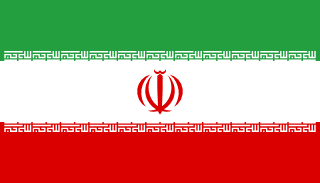
Close to its regional neighbor Iran, though Iran reports a significantly higher average IQ (106.03), supported by its long-standing academic culture, scientific education system, and national emphasis on structured learning.
Lower than high-performing nations like Finland (100.3) or South Korea (106.43), where peace, stability, and decades of investment in early education have consistently lifted cognitive scores.
But here’s what makes Iraq different: this is a country with a strong cultural memory of academic excellence, innovation, and leadership. Iraq once had one of the most advanced education systems in the Arab world, and there are still deep roots of brilliance and creativity in the people today.
Iraq’s average IQ isn’t about capability; it’s about circumstances. The country’s continued push forward, rebuilding, and investment in its youth, despite everything it has faced, is powerful.
How Iraq’s IQ Compares to Its Neighboring Countries
Iraq is situated in the heart of the Middle East and shares borders with Iran, Turkey, Syria, Jordan, Saudi Arabia, and Kuwait. With an average IQ of 93.99, Iraq ranks lower than several of its regional neighbors, reflecting a mix of historical, social, and economic challenges.
Iran, in contrast, has a significantly higher average IQ of 106.3, supported by a strong emphasis on education, multilingual instruction, and long-standing scientific and academic traditions.
Turkey reports an IQ of around 99.07, above Iraq, with a more stable education infrastructure and broader access to learning resources.
Jordan (96.71) and Saudi Arabia (93.95) display similar averages, affected by regional instability, conflict, and educational disparities.
These comparisons highlight Iraq’s middle position in the region. While the country faces considerable barriers due to conflict, disrupted education, and uneven access to resources, its average IQ shows potential for growth.