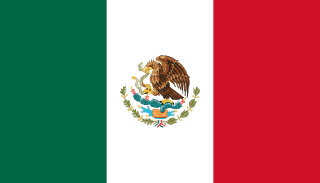
Mexico
The average IQ in Mexico is estimated at 95.51, slightly below the global average IQ of 100. This Mexico IQ score reflects a combination of the country’s educational access, social environment, and overall developmental conditions.
Rather than indicating individual ability, it represents broader patterns tied to the nation’s social, educational, and environmental factors.
Mexico is widely recognized for its ongoing progress in education, technology, and digital infrastructure, as well as its rich cultural diversity, all of which contribute to the population’s cognitive development.
Digital and educational access continues to improve across the country, especially in large urban centers. Mexico's efforts to ameliorate educational results across the country are particularly grade-dependent and result in an unequal system.
Country Statistics 6 keys IQ-related statistics
Free IQ Test
Start your IQ test now
Factors Influencing IQ Levels in Mexico
Mexico averages 95.51 due to several factors. Some of these include geography and culture, whereas others are long-term structural determinants.
Educational and Linguistic Diversity
Mexico is home to many Indigenous languages and bilingual communities. This diversity has positive effects, but there are also issues when learning is offered in a language different from what a student speaks at home. In some regions, this mismatch can delay early learning, especially in the foundational years, which are critical for cognitive development and later performance on standardized IQ tests.
Differences Between Urban and Rural Areas
Major metropolises tend to have better school systems, more qualified teachers, and greater learning material availability.
In contrast, rural areas may be behind in providing updated materials and have a lack of ongoing support. These discrepancies have a greater impact on students in areas where the subjects are more logic and reasoning-based.
Stress and Socioeconomic Conditions
Economic pressures impact the family situation in many regions of the country. Persistent stress during early development affects memory, attention, executive functioning, and decision-making; key areas evaluated in most IQ assessments. As a result, socioeconomic conditions in Mexico play a meaningful role in shaping national averages.
How Mexico’s IQ Compares to Other Countries
Mexico’s average IQ of 95.51 is slightly lower than that of countries such as the United States (99.74) and the United Kingdom (99.68), both of which sit near the global average IQ.
This places Mexico in a similar range to many developing countries that face pronounced inter-regional disparities, particularly between wealthier urban centers and less-resourced rural areas.
Mexico, much like Japan (106.4), South Korea (106.43), and Switzerland (100.75) (which are much wealthier), has seen regionally differential countries and has heavily invested in helping the public to tech.
The country has noticed a systematic build-up on the more positive side of investment in the slower regions and a more solid foundation on intergenerational and sustainable development in the regions, and on positive learning outcomes from diffused educational investments.
How Mexico’s IQ Compares to Its Neighboring Countries
When viewed in a regional context, Mexico’s average IQ of 95.51 places it between its northern and southern neighbors, reflecting clear differences in economic development, education systems, and access to resources across North America and Central America.
The United States, which borders Mexico to the north, reports a higher average IQ of approximately 99.74, a gap often attributed to broader access to well-funded education systems, higher average household incomes, and long-established infrastructure for research, technology, and innovation.
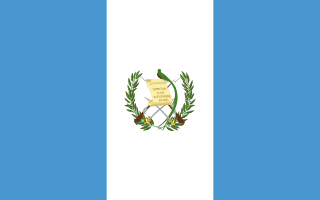
To the south, Mexico compares more favorably with Central American neighbors such as Guatemala (91.29) where reported average IQ scores are generally lower, influenced by more limited educational access, higher rates of poverty, and greater challenges in healthcare and early childhood development.
In this regional spectrum, Mexico occupies a transitional position: more developed than many Central American countries, yet still trailing behind the United States in terms of average measured cognitive outcomes.
Other Northamerica Countries Average IQ level