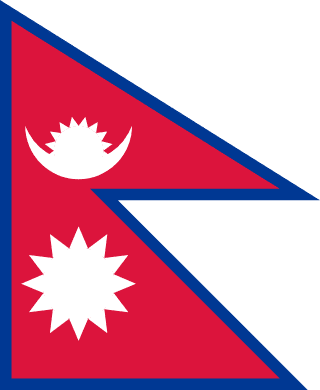
Nepal
Nepal’s average Intelligence Quotient (IQ) of 97.07 places the country below the global average of 100, yet it reflects meaningful progress considering the nation’s developmental challenges. Ranking 66th globally, Nepal demonstrates a growing commitment to educational reform and intellectual growth. The country’s steady improvements in literacy and access to basic education have contributed significantly to this IQ score. While Nepal still faces economic and infrastructural hurdles, the average IQ suggests a solid foundation for future intellectual and human capital development.
In recent years, Nepal has made significant strides in expanding education access, particularly at the primary level. Programs that promote school enrollment among girls, efforts to reduce dropouts, and partnerships with international organizations to support teacher training and digital literacy are gradually making an impact. Despite limitations in resources, these initiatives reflect a nation determined to equip its youth with the cognitive skills necessary for a changing world.
Country Statistics 6 keys IQ-related statistics
Free IQ Test
Start your IQ test now
Factors Influencing IQ Levels in Nepal
Nepal’s average IQ is shaped by several intertwined factors:
- Education Access and Quality: While basic education is free and compulsory up to Grade 8, challenges remain in ensuring quality education across all regions. Rural schools often struggle with insufficient staff, lack of infrastructure, and outdated materials. However, educational policies have increasingly focused on equity and innovation, including the introduction of e-learning tools and community schooling models.
- Nutrition and Health: Malnutrition, especially during early childhood, is a significant issue in Nepal and directly affects cognitive development. Initiatives such as school meal programs and maternal health campaigns aim to improve early-life conditions that support long-term intellectual growth.
- Cultural Values and Social Priorities: Education is widely valued in Nepali society, but economic pressures often push children, especially in remote areas, into work before completing school. Cultural emphasis on perseverance and self-learning, however, has supported informal education and alternative learning pathways that contribute to intellectual development outside of formal institutions.
How Nepal’s IQ Compares to Other Countries
With an IQ score of 97.07, Nepal is in a comparable range with countries like Kazakhstan (97.17) and Albania (97.19). While it trails behind regional peers like India (99.08) and Vietnam (100.12), the gap is narrowing. The key differences often come down to infrastructure, investment in education, and national income levels. Nations with higher average IQs typically invest more consistently in teacher development, early childhood education, and technological learning tools.
Nepal’s resilience and ongoing policy reforms offer optimism. As investments in rural education, nutrition, and healthcare continue to grow, Nepal is likely to see improvements not just in IQ scores but in overall educational and economic performance. The country’s youthful population, if supported by strategic development, has the potential to raise Nepal’s global standing in intellectual metrics in the years to come.