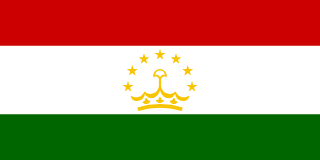
Tajikistan
In Tajikistan, the average IQ is 93.55, which tells a lot about the current level of development in this country.
Like many of the former Soviet republics, Tajikistan has been trying to find its footing since its independence in the early 1990s. It has not been an easy process. The fall of the USSR was immediately followed by civil war, which collapsed its economy and broke down its infrastructure.
As a result, intellectual growth in Tajikistan has been uneven, with some areas progressing quite far and others lagging behind.
Still, there is enormous cultural regard for education and learning, maybe the bedrock on which long-term gains can be based. So, Tajikistan is not necessarily at the top of world IQ rankings today, but it's far from a hopeless nation.
Country Statistics 6 keys IQ-related statistics
Free IQ Test
Start your IQ test now
Factors Influencing IQ Levels in Tajikistan
Several interlinked social, economic, and cultural factors influence cognitive development in Tajikistan, shaping the country’s overall IQ levels and long-term educational potential.
Education Access and Quality
While urban centers such as Dushanbe have decent schools, many rural areas have seriously underfunded schools with untrained teachers and no access to up-to-date books, let alone digital materials. Unequal access to good education plays a large part in the nation's overall IQ.
Economic Challenges
Children from poor families are more likely to miss school, suffer from malnutrition, and not experience the types of stimulation that lay the foundation for intellectual development early in life. Even gifted children may never have an opportunity to achieve their full potential in this kind of environment.
Nutrition and Healthcare
In most areas, especially rural ones, appropriate medical attention is hardly available. With a dearth of regular medical screening, prenatal services, and early childhood care, children start life at a disadvantage, which directly affects cognitive development and thus national IQ scores.
Cultural Norms and Gender Roles
Education is valued in Tajik society, but traditional gender roles at times limit access to select individuals. Girls are taken out of school early in some of the more conservative regions because they are encouraged to focus on family life instead of studying. While some efforts go toward changing such thinking and more girls than ever stay in school, the gap remains. If half of the population is not given equal access to schooling, then it affects overall IQ statistics.
Government and International Support
On the positive side, the Tajik government and other international agencies have been stepping in. New investments have been made in teacher training, curriculum development, and school infrastructure. These efforts are at their initial stage, but a welcome step; if they continue and accelerate further, the country can see a remarkable change in cognitive development in the coming years.
How Tajikistan’s IQ Compares to Other Countries
Comparing the average IQ of Tajikistan with those of neighboring countries, there seems to be some room for development. For example, Kyrgyzstan tends to be about 94.85.
Tajikistan is still way behind compared to more developed countries like Sri Lanka, which has a score of 102.02, Germany with 99.64, Japan with 106.4, and South Korea with 106.43. However, that does not mean it is stuck. IQ is not fixed; countries can and do move up the ranks with suitable investments in early education, healthcare, and nutrition.
Today, Tajikistan is nowhere near the top of the IQ scale, but it is indeed a country that grants high cultural value to learning and youth full of promise. With time and proper assistance, those figures may be very different in the years ahead.
How Tajikistan’s IQ Compares to Its Neighboring Countries
Tajikistan’s average IQ of 93.55 places it slightly below its regional neighbors. Kyrgyzstan (94.85) and Uzbekistan(96.79) perform modestly better, reflecting somewhat stronger access to education, healthcare, and infrastructure. These differences highlight the impact of historical, economic, and social factors across Central Asia.
Despite lagging behind more developed nations such as Japan (106.4), South Korea (106.43), and Germany (99.64), Tajikistan shows significant potential. Its strong cultural emphasis on learning, combined with government and international efforts to improve schooling, nutrition, and early childhood development, suggests the national IQ could gradually rise.
Overall, Tajikistan sits in the lower-middle tier regionally, but continued investment in human capital could narrow the gap with its neighbors and create long-term gains in cognitive performance.