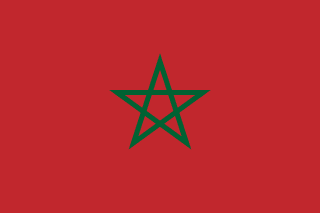
Morocco
Morocco’s average Intelligence Quotient (IQ) is recorded at 96.78, placing the country below the global average of 100. While not among the top-scoring nations, this figure reflects a nation actively evolving in education, public health, and social infrastructure. As Morocco continues to modernize, this IQ score can be seen as a foundation upon which long-term cognitive growth is being built.
Recent years have shown promising signs, school enrollment rates have risen, literacy among younger generations is improving, and investment in education has been increasing. Morocco’s IQ level is indicative of both its current progress and the ongoing challenges the country faces, particularly in bridging the gap between urban and rural development. With its young and growing population, Morocco has a significant opportunity to improve intellectual outcomes through sustained reforms and targeted policy efforts.
Country Statistics 6 keys IQ-related statistics
Free IQ Test
Start your IQ test now
Factors Influencing IQ Levels in Morocco
Several key factors contribute to Morocco’s national IQ average:
- Education Access and Quality: Morocco has made strides in increasing school attendance and building new educational institutions. However, disparities still exist—rural areas often have fewer resources, limited access to qualified teachers, and lower rates of school completion. These disparities can affect students’ ability to reach their full intellectual potential.
- Healthcare and Nutrition: Cognitive development is closely tied to early childhood health and nutrition. In Morocco, efforts are underway to combat child malnutrition and improve maternal health. Programs that provide school meals and nutritional support for low-income families help address developmental gaps that may impact IQ levels later in life.
- Socioeconomic Conditions and Inequality: Socioeconomic challenges, such as poverty and limited access to quality education or healthcare in remote communities, still affect learning environments. While Morocco's economy is growing, the benefits have not been evenly distributed. Reducing these inequalities could significantly impact cognitive development across broader segments of the population.
How Morocco’s IQ Compares to Other Countries
With an average IQ of 96.78, Morocco finds itself close to neighboring Algeria (97.01) and just below Tunisia (97.51), countries that share similar economic structures and educational challenges. In contrast, nations like Japan and South Korea continue to lead globally with IQ scores above 106, supported by rigorous academic systems and high societal investment in early education.
Despite the differences, Morocco shows considerable potential. The government’s National Education Reform Plan and efforts to digitize learning environments suggest a commitment to future generations. If these reforms are expanded with a focus on equity and inclusion, Morocco is likely to see gains in both educational outcomes and cognitive performance on a national level. The foundation has been laid, the challenge now is to scale and sustain progress for long-term intellectual development.