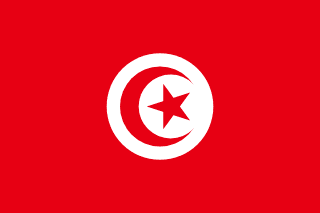
Tunisia
Tunisia's average Intelligence Quotient (IQ) of 97.51 places it below the global average of 100, reflecting the influence of various socioeconomic factors such as unequal access to education, regional disparities, and limited educational resources in rural areas.
Despite these challenges, Tunisia has made considerable progress in expanding literacy, promoting education reform, and integrating technology into classrooms. Continued investments in human capital and infrastructure could support gradual improvements in cognitive outcomes across the population.
The Tunisian education system emphasizes academic excellence, focusing on literacy, numeracy, and critical thinking skills. Recent reforms have aimed at modernizing curricula, improving teacher training, and integrating technology into classrooms. These efforts have contributed to the country's intellectual growth.
Country Statistics 6 keys IQ-related statistics
Free IQ Test
Start your IQ test now
Factors Influencing IQ Levels in Tunisia
Several factors influence Tunisia's average IQ:
- Education System: Tunisia offers free and compulsory education, emphasizing academic excellence and skill development. The curriculum encourages critical thinking and problem-solving, preparing students for global competitiveness. Ongoing reforms in teaching practices and access to higher education are expected to improve the country’s intellectual outcomes.
- Cultural Values: Education is highly valued in Tunisian society, with families often prioritizing their children’s schooling. This cultural attitude fosters an environment where intellectual development is encouraged from a young age, positively influencing cognitive abilities across the population.
- Economic Conditions: Tunisia's economic growth has allowed for greater investment in public services, including education and healthcare. Economic stability has also enabled more access to educational resources, which are essential for cognitive development. Addressing socioeconomic disparities can further improve access to quality education for all segments of the population.
How Tunisia’s IQ Compares to Other Countries
With an average IQ of 97.51, Tunisia ranks below the global average but remains competitive compared to many countries. Neighboring countries like Algeria have an average IQ of approximately 97.01, placing Tunisia slightly ahead in terms of intellectual development. Countries like South Korea and Japan lead with higher average IQs, attributed to their rigorous education systems and cultural emphasis on academic excellence.
Despite not reaching the top positions on the global IQ scale, Tunisia's investment in its education system, technological development, and research initiatives positions the country for future growth in cognitive performance. The country's relatively high level of intellectual engagement and focus on education reform will likely lead to continued improvements in its national IQ, enhancing its intellectual standing regionally and globally.