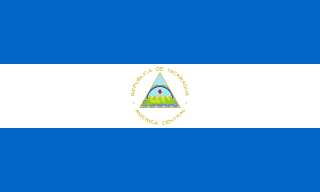
Nicaragua
Nicaragua has an average IQ of 88.7. That’s lower than the global average of 100, but before we jump to conclusions, note that an IQ number doesn’t tell you everything. It’s not a judgment or measure of how smart or capable people are at their core.
External circumstances heavily influence IQ scores. We discuss access to good education, stable nutrition, safe environments, and early childhood support.
In Nicaragua, where many families face economic hardship and limited access to resources, it’s unsurprising that those challenges appear in national data.
But here’s what the number doesn’t show: the grit, creativity, and resilience of the people living there. It doesn’t show the kid who studies by candlelight or the teacher who walks miles to get to class. Numbers are neat—real life isn’t.
Country Statistics 6 keys IQ-related statistics
Free IQ Test
Start your IQ test now
Factors Influencing IQ Levels in Nicaragua
Education Isn’t Equal for Everyone
While school enrollment has gone up, the quality of education varies wildly depending on where you live. Schools can be understaffed, under-resourced, or hard to get to in rural areas. Some students don’t have books, trained teachers, or even desks. It’s tough to develop complex thinking skills in those conditions—and those skills are what IQ tests often try to measure.
Poverty Changes Everything
Learning can be a luxury in poor families. Chronic stress from financial hardship affects how brains develop, how individuals process information, and how kids perform in school.
Early Childhood Learning Is Limited
Early brain development plays a huge role in long-term cognitive ability, starting way before kindergarten. But in Nicaragua, many kids don’t have access to early learning programs or even stimulating environments at home. Without that early boost, they start school already playing catch-up.
Nutrition Is a Hidden Factor
Malnutrition isn’t always obvious, but it’s powerful. When children don’t get enough nutrients during key growth stages, their brain development suffers. That can affect attention, memory, and learning ability. In areas where food insecurity is common, it creates a ripple effect across the entire community.
Natural and Political Disruptions Take a Toll
Nicaragua has faced its share of storms—literally and figuratively. From hurricanes to political unrest, disruptions in daily life make it harder to focus on long-term growth. Kids lose school time, families are displaced, and recovery is slow. All of that affects mental development, often in invisible ways.
How Nicaragua’s IQ Compares to Other Countries
Nicaragua sits on the lower end of the scale compared to other countries. Here’s a rough snapshot:
Costa Rica: 94.15
El Salvador: 91.07
Honduras: 90.53
Guatemala: 91.29
Colombia: 93.17
Dominican Republic: 90.06
Mexico: 95.51
These countries face many of the same challenges: unequal education, economic struggles, and gaps in healthcare. IQ numbers reflect those shared realities more than they reflect individual potential.
Other Northamerica Countries Average IQ level