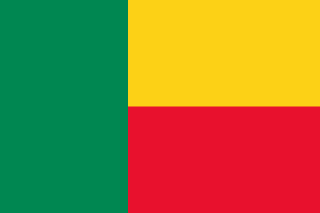
Benin
Benin’s average IQ is 86.88, which puts it under the global average of 100.
You can’t measure someone’s potential—or a country’s—with a test designed without considering their reality.
In Benin, the odds are stacked early. Many kids grow up without stable access to education, health services, or even enough food. That’s not about intelligence — that’s about survival.
What you don’t see in that number is how hard families work to send their kids to school, how children teach themselves when teachers are missing, or how creativity shows up in the most unexpected places.
Beninese people are sharp, adaptable, and full of potential. They’ve been doing the most with the least for too long.
Country Statistics 6 keys IQ-related statistics
Free IQ Test
Start your IQ test now
Factors Influencing IQ Levels in Benin
No Proper Schools
Overcrowded classrooms, barely any books, and insufficient trained teachers are all the norm. Some kids share one notebook for the entire class. And when the tools for learning just aren’t there, how can we expect kids to thrive?
Empty Stomachs, Slower Minds
Kids who come to school hungry can’t focus — and many don’t come at all. Malnutrition in the early years messes with brain development, plain and simple. It makes it harder to retain information, to stay alert, and to develop basic cognitive skills.
Health Problems
A constantly sick child starts falling behind. In Benin, even treatable illnesses — malaria, infections, respiratory issues — often go unchecked due to lack of access to affordable healthcare. And when a child’s body is in survival mode, the brain can’t prioritize math problems.
Learning Challenges
Benin is rich in language and culture, but the formal language of school instruction is French. For many kids, that’s not the language they hear at home. So, they’re trying to understand brand new concepts in a language they’re still figuring out. It’s like being asked to run before you’ve learned how to walk.
How Benin’s IQ Compares to Other Countries
Benin’s average of 86.88 aligns with several other West African nations dealing with similar challenges. Here’s a quick comparison:
- Nigeria: 91.35
- Ghana: 90.25
- Togo: 89.94
- Cote d'Ivoire: 88.42
- Senegal: 88.27
While the IQ figure may look low, it says more about what kids aren’t getting than what they’re capable of.
That number will rise as the country works to improve schooling, invest in health, and support families.
But even if it doesn’t right away, remember this: intelligence isn’t always what shows up on a test.