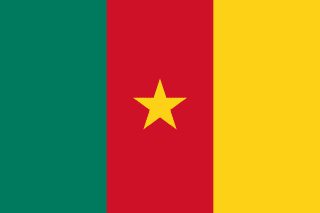
Cameroon
Cameroon’s average IQ is 89.94. Do you think it’s so backward for this country? You should know that this score is typical for many countries in sub-Saharan Africa, where developmental challenges, including educational barriers, impact cognitive performance.
What do you think causes a country like Cameroon to have an intelligence level far below the global average of 100?
Factors such as access to quality education, healthcare, and proper food all significantly shape these numbers.
Country Statistics 6 keys IQ-related statistics
Free IQ Test
Start your IQ test now
Factors Influencing IQ Levels in Cameroon
Limited Educational Resources
As much as urban areas such as Yaoundé and Douala have improved educational facilities, rural areas are dismal. Most rural schools do not have good classrooms and inefficient educational resources.
Poor Health
According to UNICEF, roughly 30% of children below the age of five suffer from poor health and diet. It is not the complete story! As it is, infectious diseases such as malaria and diarrheal diseases are common and could hurt cognitive functioning.
Not Having Access to Early Childhood Education
Children who fail to attend preschool or early learning institutions may lose their formative years. Without access to early structured learning, children will be devoid of language development, problem-solving ability, and critical thinking skills.
How Cameroon’s IQ Compares to Other Countries
With an average IQ of 89.94, Cameroon ranks lower than many other countries, both globally and regionally. Here's how Cameroon compares:
- Nigeria has an average IQ of around 91.35
- South Africa sits at about 94.11
- Kenya reports an average IQ of 91.22
- Congo’s average IQ is 88.01
- Gabon’s mean IQ is 85.08
Cameroon has seen significant economic and educational reforms. If these continue to evolve, the country has the potential to raise its national IQ through improved access to quality education, healthcare, and nutrition.