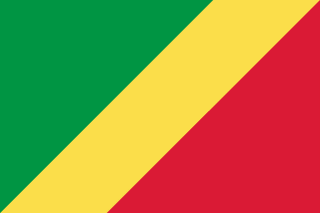
Republic of the Congo
The average IQ in Congo is said to be 88.01. That number doesn’t tell you anything important about the people here.
Growing up in Congo is a whole different reality than what IQ tests are built for.
You're not sitting in a quiet, cozy classroom with the latest textbooks. You're walking miles to school—if your family can even afford to send you.
So when someone points to a number and tries to sum up a country with it, that doesn’t sit right.
Congo is full of kids who teach themselves things off a chalkboard with no chalk, and it’s full of parents who sacrifice everything to keep their kids learning.
There’s so much grit, creativity, and raw intelligence here—just not always in the places or forms the world bothers to measure.
Country Statistics 6 keys IQ-related statistics
Free IQ Test
Start your IQ test now
Factors Influencing IQ Levels in Republic of the Congo
Going to School is a Challenge
In many places, it’s more like a shell of a school — no proper desks, barely any books, and teachers doing their best with almost nothing. Some classrooms are so full, kids are standing just to hear the lesson. And that’s if the teacher even shows up. Talking about “learning” is hard when the basics aren’t even in place.
Conflict
Congo has had more than its fair share of conflict, and it’s not just a history lesson—it’s something many people are still living through. War doesn’t just destroy buildings; it disrupts childhoods. Families are forced to move, schools close, and kids go missing from the classroom for months or even years.
Healthcare Issues
In big cities, you might find clinics. In rural areas? It’s a different story. If a child gets sick — and many do, often — there’s not always a hospital or even a nurse nearby. No medicine, no treatment, just waiting and hoping.
Lack of Early Learning
Many kids in Congo don’t go to preschool, don’t have access to early learning centers, and may not even have toys or books at home. So by the time they enter primary school, they’re already trying to catch up. And catching up wasn’t easy when the race started years ago.
Language Is a Hurdle, Not a Bridge
Congo is bursting with languages — over 200 are spoken across the country. But school is taught in French, which isn’t the first language for many kids. That means on their very first day of class, they’re already playing catch-up. It’s like being handed a textbook you can’t read and being told to "figure it out."
How Republic of the Congo’s IQ Compares to Other Countries
Congo’s average IQ of 88.01 may seem low at first glance, but it’s not far off when you look at the broader context. Here’s how Congo stacks up against some of its neighbors:
- Cameroon: 89.94
- Angola: 85.33
- Gabon: 85.08
Most of these countries face similar struggles: poverty, limited access to education and healthcare, and the lingering effects of conflict. These numbers don’t reflect a lack of intelligence—they reflect systemic barriers people are working hard to overcome.