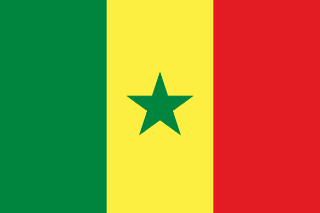
Senegal
Senegal's average IQ is 88.27, below the global average of 100.
There's so much more than IQ scores, like education, nutrition, and health, which all play an enormous part in how individuals develop and flourish.
Senegalese always manage to survive despite the difficulties.
Therefore, although the IQ number seems low, it does not indicate the resilience, resourcefulness, and determination of the Senegalese.
Country Statistics 6 keys IQ-related statistics
Free IQ Test
Start your IQ test now
Factors Influencing IQ Levels in Senegal
Moving Around Isn't Easy for Education
In Senegal, families often need to move to work or live more comfortably. But whenever they move, kids have to get used to new schools. Those schools don't have the resources or stability of the old ones. So, kids can get behind or miss out on vital lessons, making it hard to catch up.
Climate Issues
Climatic alterations hit agriculture severely, which most households rely on for survival. When crops fail, food is out of reach, and malnutrition dominates. If children don't get the required nutrients, their brains develop incorrectly and learn more difficultly.
Unemployment Issues
Stressed-out parents concerned about paying bills and making ends meet often don't have the time or the energy to be involved in their children's education. This financial pressure can mean kids will miss school or can't afford long-term materials to succeed.
Healthcare Issues
Not many children receive vaccines or proper treatment of everyday illnesses. If children fall ill or are ill, it is not limited to how they grow physically. It also affects their ability to focus and perform well at school.
From Formal Education to Skills
While not every Senegalese child can attend university, vocational school is also an option for youth. The catch is, there are not enough programs that provide hands-on skills so they can secure employment. If there was more focus on teaching children practical skills, they'd have a better shot at making it in the world—even if they don't follow the traditional university route.
Technology
Technology is changing everything, but the internet, computers, and mobile phones are out of reach for Senegalese citizens. Children in rural areas, in particular, don't utilize online learning resources that help them do well at school. Without technology, a great disparity in digital form hinders children from realizing their full potential.
How Senegal’s IQ Compares to Other Countries
Senegal's average IQ of 88.27 might seem low compared to the world average, but it's standard for most West African countries. See how it compares to some of its neighbors:
- Ethiopia: 95.09
- Togo: 89.94
- Cote d'Ivoire: 88.42
- Benin: 86.88
- Angola: 85.33
These countries all face the same education, healthcare, and poverty problems. The IQ scores only reflect these broader problems, not the true potential of the individuals. But the good news is that Senegal is developing.